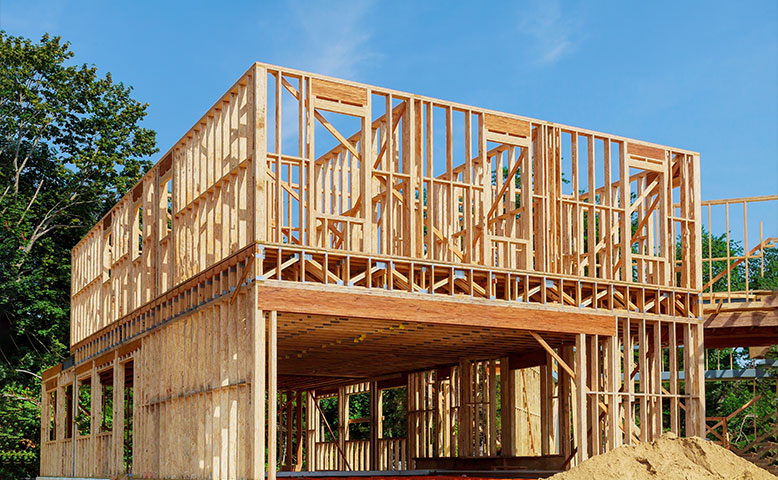
A strong frame is the backbone of any home. When framing goes wrong, problems snowball: doors rub, floors squeak, drywall cracks, and energy bills creep up. Fixing those problems after the house is closed up costs far more than getting the frame right the first time. National remodel data shows that rework can eat 5–15% of a project budget, and framing errors are a common cause. A warped wall might cost a few hundred dollars to shim today, but thousands to fix after finishes and trim are installed. This guide explains the most common framing mistakes, the simple checks that prevent them, and the small habits that protect your wallet without slowing your build.
Planning Before Lumber
The cheapest wood you buy is the board you never have to lift. Many costly errors start on paper: missing point loads, vague spans, and unclear window sizes. Before the first stud is cut, confirm your plan set includes sized headers, beam schedules, and a joist layout with on-center spacing (16″ or 24″). Label bearing walls and mark mechanical chases so the framer doesn’t notch later. Use a takeoff to count studs, plates, sheathing, and connectors, then add 5–10% for waste—more for complex roofs. A one-hour layout meeting with the designer, framer, and HVAC/Plumbing leads can remove surprises. Every inch you clarify on the plan saves a foot of rework in the field.
- Ask for span tables for beams and joists
- Confirm rough openings in writing for all windows
- Mark all point loads on floor plans
Load Paths And Layouts
Loads must travel down a clear path: roof → beams/headers → studs → sill → foundation. When that path breaks, floors bounce and drywall cracks. Place studs under every major point load, not “close enough.” Line up studs between floors whenever possible to avoid “stacking drift.” If you shift a beam or widen a window on site, update the load path—add a jack stud, post, or hardware to match. For long spans, check deflection limits. A common residential target is L/360 for floors; a 15-foot span should deflect less than 1/2″. Don’t guess: use manufacturer tables or software to size LVLs and I-joists. Clear load paths make inspectors nod and callbacks vanish.
- Trace loads with a highlighter from the roof to the foundation
- Add temporary posts until permanent supports are in
- Photograph each bearing point for your records
Level, Plumb, Square
A building that is level, plumb, and square goes together fast and stays quiet. Start by crowning studs and installing crowns all the same way. Snap chalk lines for plates and check diagonals on each wall section: diagonals equal = square. Use a laser to set plate heights and a stringline to keep walls straight over long runs. Check every corner with a 6- or 7-foot level; a 1/4″ lean is visible once cabinets and tile arrive. Floors need tight tolerances too—aim for no more than 1/4″ variation over 10 feet. Ten minutes spent tweaking shims beats days of fixing trim gaps and sticking doors later.
- Write “CROWN” on the high edge of the studs
- Recheck diagonals after nailing the first sheet
- Keep a punch list of level/plumb fixes per room
Wrong Wood And Moisture
Using the wrong grade or wet lumber invites movement and mold. Most framing lumber arrives stamped “KD 19,” meaning kiln-dried to 19% moisture or less. Test a few pieces with a moisture meter; aim for 12–15% before interior finishes. Wet studs twist as they dry, cracking corners and pulling nails. Use pressure-treated lumber anywhere wood touches concrete: sill plates, porch posts, and deck framing. Separate interior lumber from slab moisture with stickers and airflow. For exterior walls in cold zones, choose studs that stay straight—MSR or finger-jointed studs can reduce bowing. Spend a little more on stable wood where it matters (tall walls, tile backer walls, door openings) to avoid costly callbacks.
- Store lifts off the ground with spacers
- Cover stacks, but leave sides open to breathe
- Reject boards with checks, wane, or severe crook
Fasteners And Nailing
Missed nails and wrong fasteners are silent budget leaks. Shear panels often require 8d nails at 6″ on edges and 12″ in the field—skipping this can fail a shear test or inspection. Metal connectors (hangers, straps, hold-downs) must use the maker’s specified nails or structural screws; drywall screws are not a substitute. Keep a “nailing schedule” on site with staples like: sill plates to rim, double-top-plate laps, and joist hangers. For engineered lumber, don’t over-nail near edges; follow spacing to prevent splits that void warranties. Use impact drivers with depth control to avoid overdriving heads through sheathing, which reduces holding power and can increase uplift risk in wind zones.
- Print the nailing schedule and laminate it
- Keep the connector catalog with approved fasteners
- Spot-check panels every 8 feet with a tape and a marker
Openings That Don’t Fit
Rough openings should fit units without forcing them. A common rule is to frame the rough opening 1/2″ wider and taller than the window size to allow shims and a square set. Headers must match span and load—an undersized header sags, and glass cracks don’t negotiate. Use king and jack studs as shown; skipping a jack is a cheap mistake that becomes an expensive repair. Don’t forget the sill pan or flashing; water at an opening causes the most expensive damage per square foot in a house. Record each opening’s final measurements and check for plumb, level, and square (diagonals equal) before moving on. The door that glides on day one still glides in year ten.
- Verify swing and handing before framing doors
- Label each opening with unit size and code
- Test-fit one unit early to confirm your template
Shear Walls And Bracing
Wind and quake forces push sideways; shear walls and bracing keep the box stiff. Follow your shear schedule: panel thickness, nailing pattern, hold-down size, and edge blocking. On a 4×8 sheet, edges must land on framing; a 1″ miss cuts strength by far more than 1″. Stagger panel joints and block seams to maintain capacity. Anchor bolts typically go 6′ on center and within 12″ of plate ends—check your code and plans. For garages with big doors, add a “portal frame” kit or engineered detail to keep the wall from racking. Proper shear pays off: FEMA studies show braced houses suffer fewer cracked finishes and lower repair costs after storms.
- Keep bolts aligned by snapping lines first
- Precut blocks to speed panel installs
- Tag each shear wall after inspection passes
Insulation And Thermal Gaps
Framing affects energy bills. Too many studs create “thermal bridges” that leak heat. Advanced framing (24″ o.c., single top plates where allowed, insulated headers) can reduce lumber by up to 20% and improve wall R-value by 2–5%. Use continuous exterior sheathing or foam to block wind washing. Seal top plates, rim joists, and sill plates with compatible sealants or gaskets; air leaks cause 25–40% of energy loss in many homes. Keep cavities full: a 2% void in insulation can drop performance by much more. Plan for services: align stud bays so electricians and plumbers don’t hack away at studs later. A tight frame makes a smaller HVAC system possible, saving thousands over the system’s life.
- Mark “no-cut” studs and chases early
- Use insulated headers over small openings
- Seal rim joists before the subfloor goes down
Schedules, Weather, Storage
Time and moisture are enemies of straight framing. If rain is coming, cover subfloors; a swollen deck telegraphs waves to finished flooring. Use Huber-type or equivalent subfloor adhesives and fastener patterns to limit squeaks. Don’t stack drywall on fresh floors until glue cures—48 hours is a safe target. Store trusses flat or per manufacturer instructions; warped trusses force roof corrections that cost days. Keep a daily photo log: before sheathing, after sheathing, after mechanical rough-ins. That log is worth gold if a question comes up during inspection or warranty. A tidy site cuts errors—clear paths, labeled stacks, and a scrap bin save trips and reduce wrong-piece installs.
- Cover open walls with housewrap as soon as possible
- Keep a moisture meter in the gang box
- Post a two-week look-ahead at the job trailer
Build Smart, Save Thousands
Good framing is a small set of steady habits: clear plans, true walls, dry lumber, right fasteners, and clean load paths. Those habits prevent the repairs that chew up budgets—sagging headers, sticky doors, cracked corners, and high energy bills. Make checklists part of the job: square every wall, verify each opening, tag each shear panel, and log moisture. Spend minutes now to save thousands later. If your project needs a careful eye on siding transitions, flashing at openings, and weather protection around framed walls, talk to a local pro who does this work every day. For friendly help and a fair quote, reach out to A Work of Art Siding.